Food halls bring lots of vendors together under one roof. That's great for customers, but it can be hard work behind the scenes, especially when every vendor runs a different till. Here's what to look for in a POS system for the whole hall.
One system for the whole hall
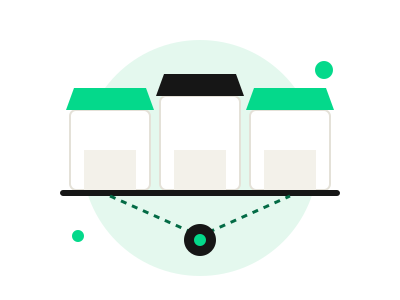
When every vendor uses a different system, the hall has no single view of how it's trading, and every vendor needs separate support. Running the complete food hall and every vendor on one centralised system fixes both: everyone works the same way, and one team supports you all. Find out more about POS for food halls.
Each vendor still runs its own business
One system doesn't mean one menu. Each vendor should have:
- Its own menu
- Its own tills at its counter
- Its own kitchen display screens, so orders go straight to the right kitchen
Hall-wide reporting, with a breakdown by vendor
The hall operator needs to see live sales across the whole hall, with a breakdown by vendor, from one account. That makes it far easier to spot busy times, see which vendors are trading well and plan staffing.
Tools for the busiest times
Food halls get packed at lunch and on weekend evenings. Two things help:
- Self-service kiosks let customers order and pay without queueing at a counter.
- Collection display screens show customers when their order is ready, so they can relax at a table instead of crowding the counter.
Questions to ask a POS supplier
- Can the hall and every vendor run on one system?
- Can each vendor manage its own menu and kitchen?
- Can the hall see sales by vendor and across the whole hall?
- Can you add kiosks and collection screens?
- Who supports the vendors day to day?
If you run a food hall or are planning one, book a free demo and we'll show you how the hall and every vendor can work on one system.